
Brown Polymer
JBMPOLYMERS © Copyright 2021 - 2026. Design by eSilentfront. All Rights Reserved
New user?
Also registered?
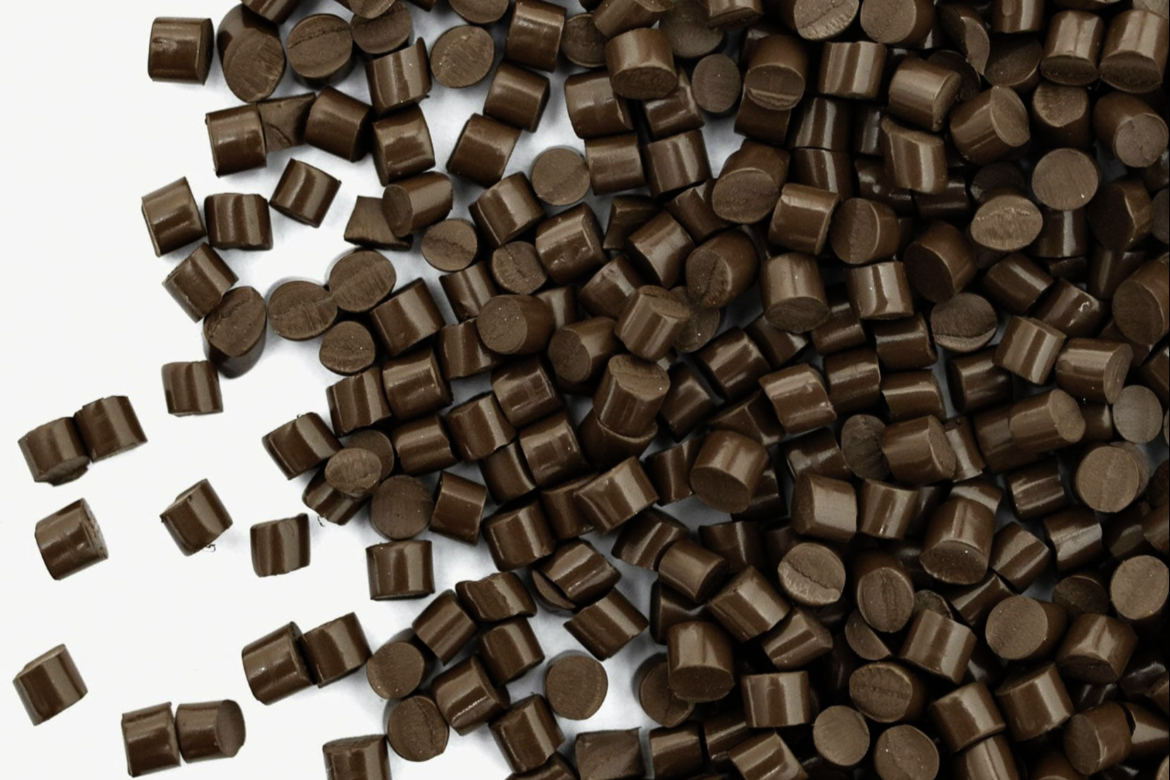
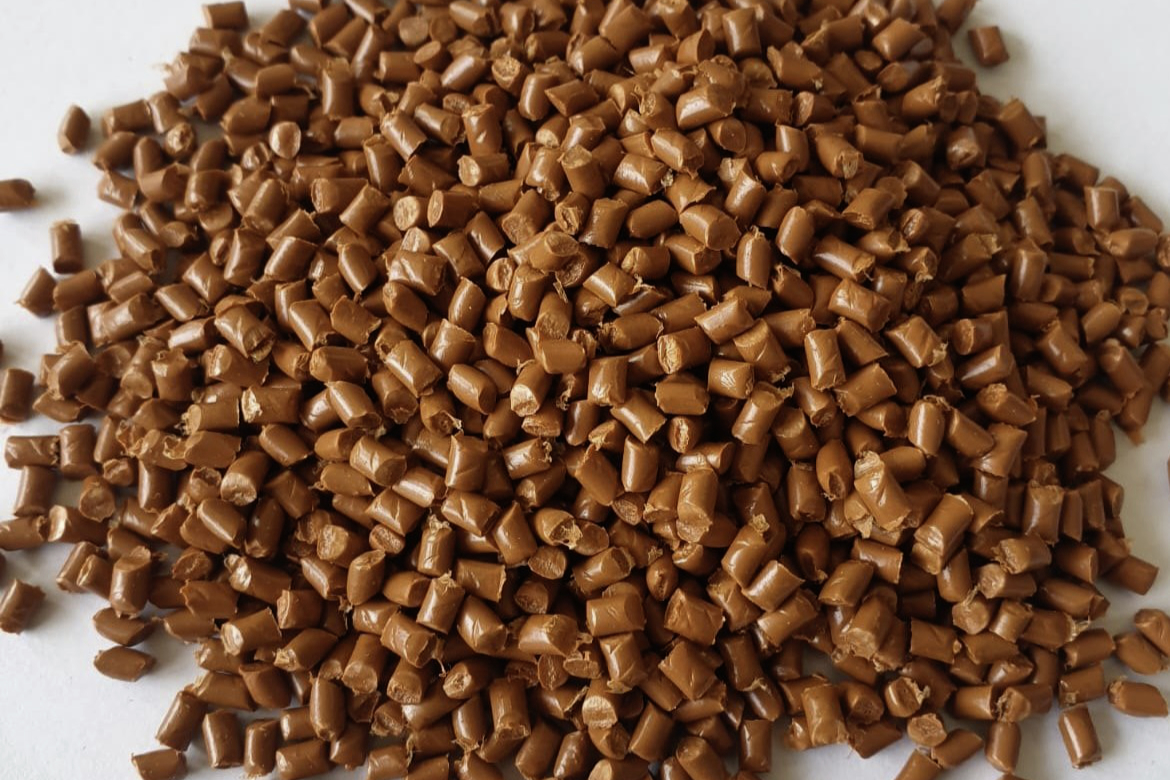
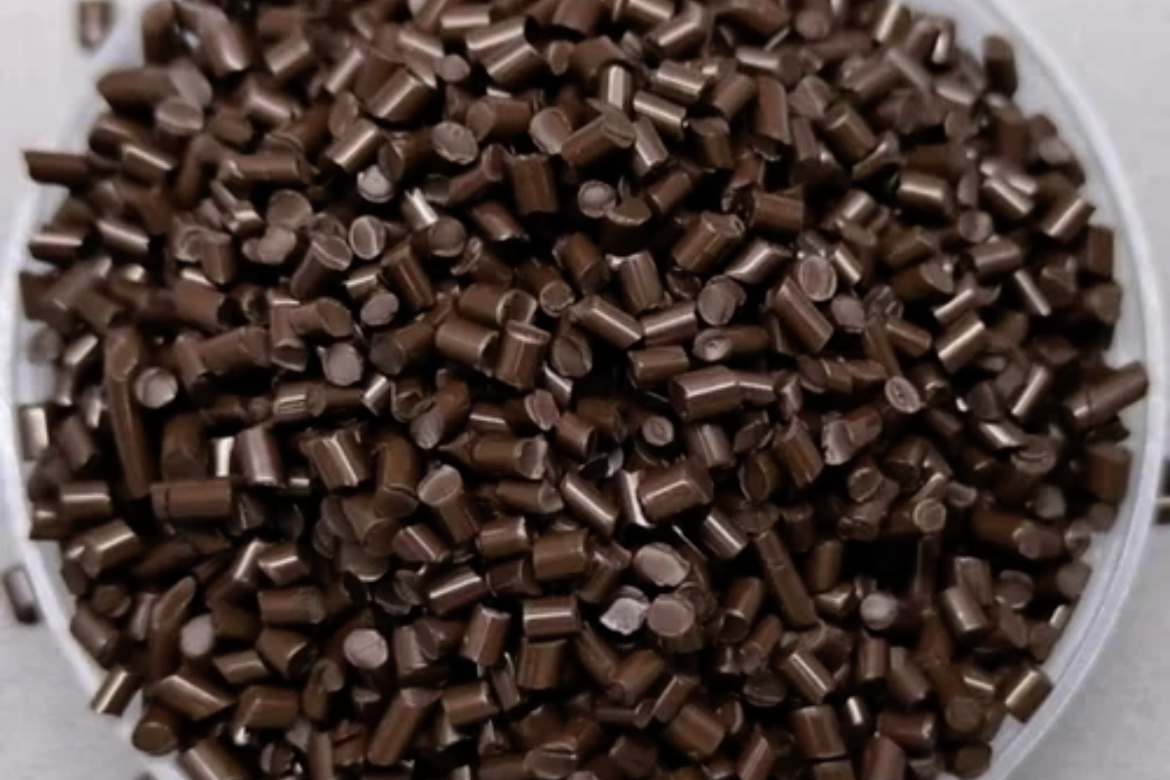
Processing: Brown polymers are formulated by adding specific combinations of pigments or dyes—commonly iron oxides (ochres, umbers), carbon black blended with other colors, or organic brown pigments—to a polymer base. The processing involves precise color compounding to achieve a consistent, homogeneous shade, as natural-looking browns can be complex to match. This is done in similar equipment as black polymers, using twin-screw extruders for thorough distributive and dispersive mixing. The key challenge is maintaining color stability under the heat and shear of processing and throughout the product’s lifecycle, especially if exposed to light.
Purpose in Production & Real World: The purpose of brown polymers is dominantly aesthetic and functional mimicry. In production, they are engineered to simulate natural materials like wood, leather, or earth, providing a visually warm and familiar appearance while retaining all the benefits of plastic (moldability, durability, low maintenance). In the real world, this makes them ideal for consumer goods where a natural look is desired without the drawbacks. Common applications include garden furniture and planters, interior automotive trim (dashboards, steering wheels), household appliance housings, tool handles, and various packaging solutions. Brown polymers are also extensively used in utility products like electrical enclosures and conduit pipes, where the color helps them blend into environments or denotes a specific product line. Their purpose is to bridge the gap between the synthetic and the natural, offering practical performance with an organic aesthetic.