
Black Polymer
JBMPOLYMERS © Copyright 2021 - 2026. Design by eSilentfront. All Rights Reserved
New user?
Also registered?
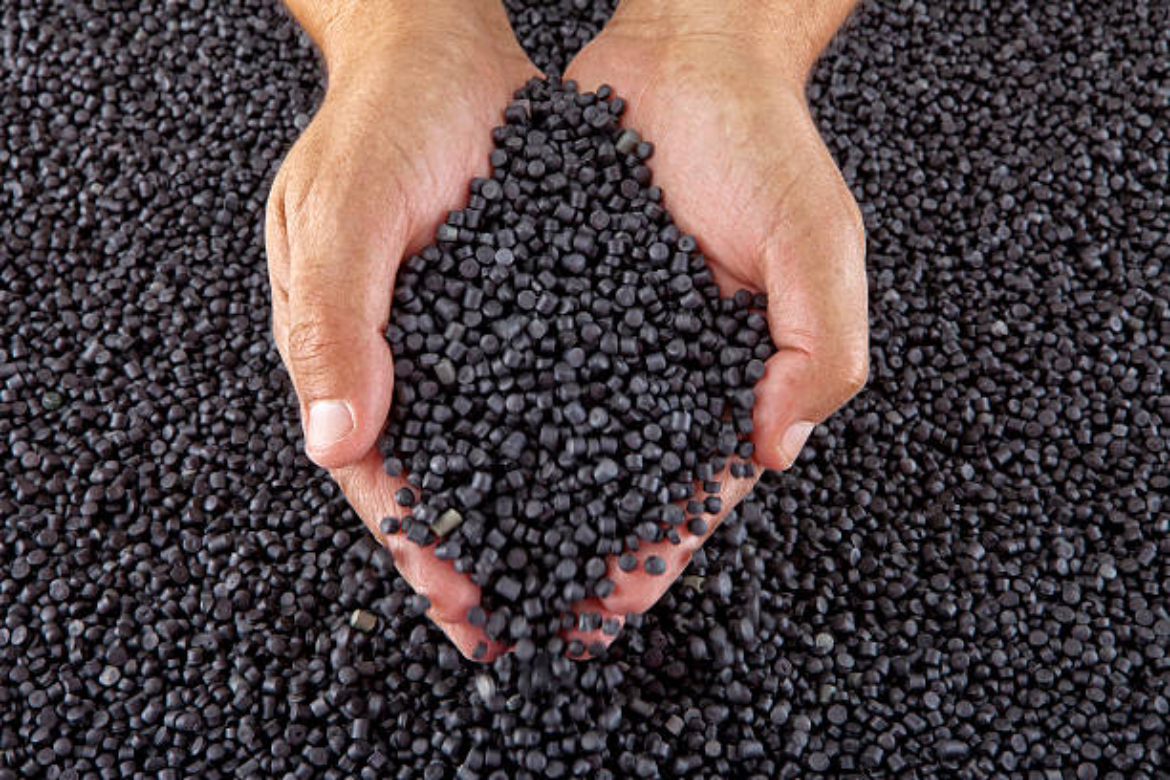
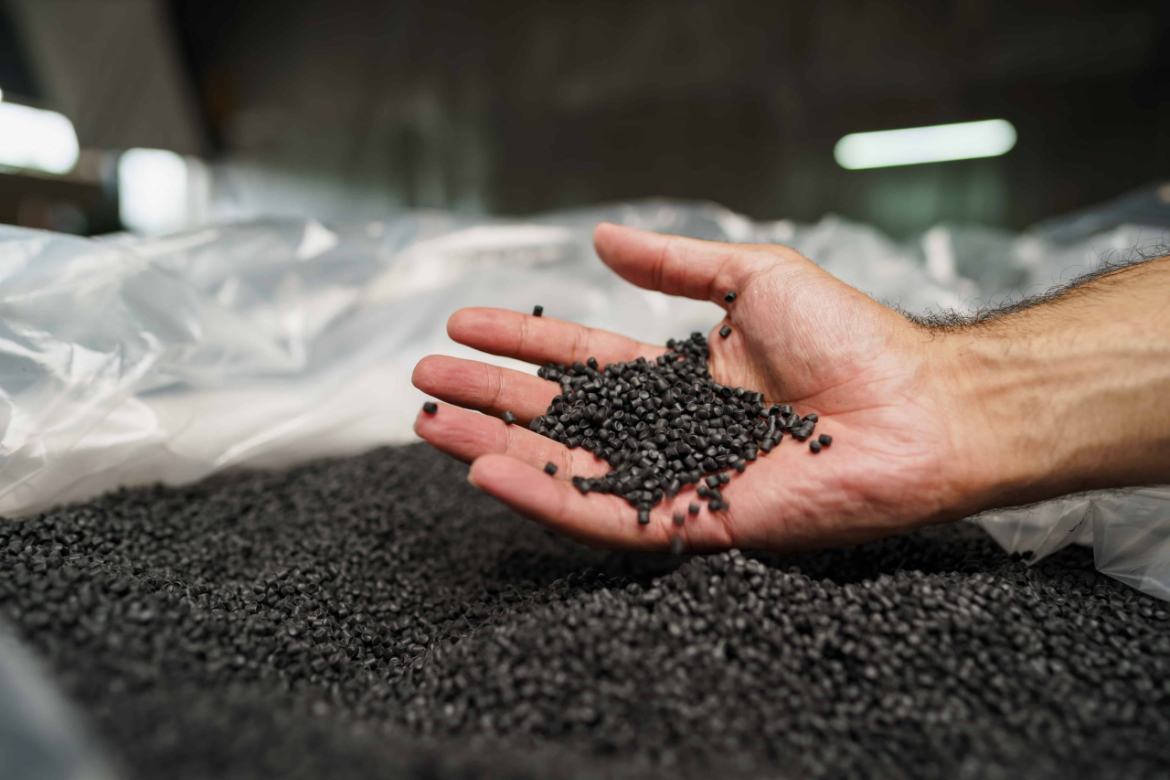
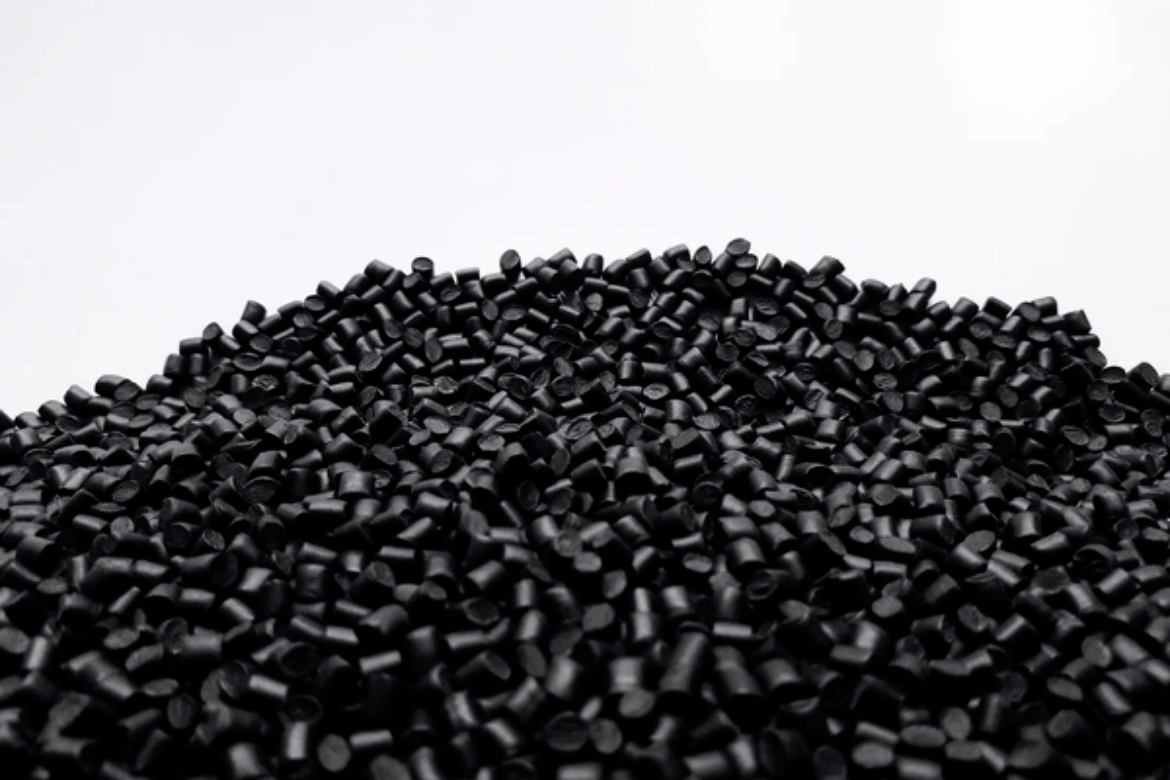
Processing: Black polymers are created by incorporating carbon black or other black pigments into a base polymer resin during compounding. This is typically done through melt mixing in extruders or internal mixers, where the pigment is uniformly dispersed within the molten plastic. Carbon black is not just a colorant; it acts as a critical reinforcing filler and stabilizer. The process requires precise control to ensure even coloration and to optimize the additive’s functional benefits. The compounded material is then pelletized for use in subsequent manufacturing processes like injection molding, extrusion (for pipes or automotive parts), or blow molding.
Purpose in Production & Real World: The primary purpose of adding carbon black goes far beyond aesthetics. In production, it provides essential ultraviolet (UV) light stabilization, preventing the polymer from degrading and becoming brittle when exposed to sunlight. It also significantly improves tensile strength, abrasion resistance, and electrical conductivity. In the real world, these properties make black polymers indispensable. They are the material of choice for durable automotive components like tires, belts, hoses, and under-hood parts, where heat and UV resistance are critical. Black polymers are used in outdoor infrastructure such as irrigation pipes, cable jacketing, and geo-membranes for their weatherability. Furthermore, their conductive properties are utilized in electronics for anti-static packaging and housings. Essentially, the color black in polymers is often a reliable indicator of enhanced durability and longevity for demanding applications.